Month: March 2017
Article: Social Media has Created a Generation of Self-obsessed Narcissists
I came across the below article via Facebook, and have noticed more and more similar articles being shared and re-shared, highlighting how self-perception is a major, current issue amongst social media users, whilst more and more people are becoming aware. Even though I have completed my dissertation, I found that this would be great information to take forwards into Semester 3/Practice 2, in regard to my research-based practical proposal of an independent beauty/fashion magazine exploring cross-cultural trends and issues.
“Listing all the ways that it has altered our world is a fool’s errand, as is tracing all of its side-effects, but there is an argument that I will make: it has turned an entire generation into vapid narcissists.
From deceptive selfie angles that make average-looking people appear attractive, to curating your Facebook feed so it looks like you’re having more fun than you actually are, social media has taken neoliberalism’s self-centered mantra and pumped it full of cocaine-laced steroids.
All social media platforms are comprised of a mass of individuals competing against each other for followers, likes, retweets, favorites, and whichever other show of approval exists out there rather than any sort of collective goal.
Sure, this isn’t its only purpose, and plenty of benign interaction occurs without any sort of agenda, but there are masses upon masses of people who utilize it as a means of projecting an idealized version of themselves out into the world – an avatar of the person that they wish they were, rather than who they are in reality.
It’s logical that such an extreme focus on the self has a tendency to spill over into self-obsession, but this goes far beyond people taking too many photos of themselves and treating every action as a hashtagging opportunity. Every life event, however irrelevant to their social media audience, becomes a source of self-promoting content.
I doubt that anyone would be able to explain why they do it, because it’s likely a reflexive behavior: they’ve learned that sharing gets them validation, which feels good, so they continue to share. Every like and retweet gives the brain a small rush of dopamine comparable to a tiny hit of coke.
This is why people pathetically attach #tagsforlikes #likeforlikes and #likes4likes to their Instagram photos. The yearning for validation is so pronounced that it has spawned an entire exchange economy where people pimp themselves out to the world, offering to repay insincere engagement with equally insincere engagement. The sentiment doesn’t matter as long as that little ego-affirming notification bubble pops up on their screens.”
Article: Where Super Thin Is Still In: Attitudes to Body Image in Japan
I came across the below article via a friend in Tokyo, whom sent me a link. Even though I have completed my dissertation, I found that this would be great information to take forwards into Semester 3/Practice 2, in regard to my research-based practical proposal of an independent beauty/fashion magazine exploring cross-cultural trends and issues.
“According to the data from the Health Ministry’s annual national surveys on health and nutrition, underweight Japanese women in their 20s, 30s and 40s have been increasing.
According to the data from the Health Ministry’s annual national surveys on health and nutrition, underweight Japanese women in their 20s, 30s and 40s have been increasing.
Using Body Mass Index (BMI) as a gauge, the number of Japanese women in their 20s who are too thin (BMI under 18.5), far exceeds those that fall into the overweight range (BMI over 25).
Compared to the many Western countries coping with rising obesity levels, this might seem like an enviable position, and as a nation, Japanese people naturally tend to be on the slender side. However, those who maintain their weight at unnaturally low levels could face health risks down the line.

These trends are probably not surprising when the media promotes a culture populated with kawaii idols with proportions that look more like prepubescent children than adult women. As for muscles—forget it!
Speaking of the media, the terms pocchari girl or marshmallow girl made a splash a few years back, with the advent of La Farfa, Japan’s first fashion magazine for “chubby girls”. These curvy models, however, would still fall at the small end of the fashion sizing range in Western countries.
As for women who are definitely overweight by anybody’s standards, they are generally relegated to the role of comic buffoons by the media, and are the frequent target of teasing on TV variety shows.”
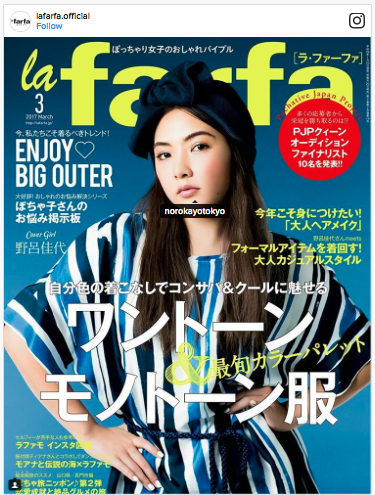
Source: https://blog.gaijinpot.com/attitudes-to-body-image-japan/
East Meets West: A Sourcebook of Beauty Trends – Book Developments

Below shows a range of developments of the sourcebook created for this module. A various range of books have been printed and bound using different paper stocks and binding methods. I found that each had different pros and cons as noted below.

The above have been printed using laser printing on 110gsm paper stock and have been stapled to bind. I found that this would be perfect for a zine, being quick and cheap to produce being very cost effective to produce in mass, however do not give a ‘book’ finish. The print was very good quality and found that the colours really popped on the page and left no ‘lines’ as found with other print experiments shown below.

Above shows the staple binding leaving a crisp finish, whilst below shows the high print quality on the inner pages.


Above shows another book produced using laser print, however a 135gsm gloss stock was used, opposed to a matte finish as shown above. I really love the quality of the print, as it gives a glossy finish mimicking that of a magazine. I also found the colours to be much more vivid on gloss stock than on matte. I found this the closest to the desired aesthetic as possible. No lines were also found on the print, however 2 pages were found to have not fully flattened layers when printed, showing an outline of a bounding box from the InDesign document. The paper stock was too thick to saddle stitch, and found that stapling was a much more suitable outcome, whilst also being easy to reproduce, however the paper stock is slightly more expensive.


Below shows a laser print copy printed on 80gsm stock. I found this to be the weakest of all the prints due to leaving lines on the pages when printed, as well as many bounding boxes to be seen, as the InDesign document didn’t embed the images properly. This was rectified on later copies. With this test print, I also found that some artwork needed amending due to being too close to the bleed line, whilst also needing to amend the alignment of some body copy and artwork, as when trimmed was too close to the paper edge, leaving an unprofessional finish. This was amended digitally prior to printing any further books/experiments. In addition, with the paper being quite thin, print on the previous side was visible, showing through.


Below shows two booklets which were saddle stitched in different techniques. I used white cotton for one, and pink for another but found that the pink was too much with the cover artwork, and also made any small errors very noticeable, whilst the white cotton allowed for a much cleaner, sleeker finish. I would of been happier with this bind had the paper not been so thin, 80gsm, again showing through print on the other side of the paper. Using an inkjet print for these two books however left a perfect print, with no bounding boxes or lines to be shown, and found this the highest quality print so far. Canvas paper was used for both covers, giving a thicker, textured cover, and contrasting matte inner pages. I found though that on occasion as shown below, show through was still visible, dampening the overall quality of the book.


Above shows one test print (pink cotton saddle stitch) whereby, the cover was printed 10% larger to allow for allowance on the edges of the paper, whilst adding a slightly different aesthetic to that of the other books produced. The print quality on this version however was the best I believe out of the experiments shown, with no show through due to using a 140gsm card stock on an ink jet printer, allowing for more of a ‘book’ feel and finish and a more luxury aesthetic.


Ditch the Label: Are You Living an Insta Lie? Social Media VS Reality
1.) Tagging an edited and made-up selfie with #IWokeUpLikeThis;
2.) Taking a million selfies before deciding on just one to post as #Effortless;
3.) Going all the way to Starbucks, buying a coffee and opening up your Macbook – taking a photo of your #WorkSpace, closing your Macbook and then going back home;
4.) Using filters to edit your travel photos – making them literally look #Unreal.
–
I came across this video via Facebook yesterday and found this quite powerful in regard to my research topic. I feel that this video summarises different aspects of Instagram and how it is so easy to ‘edit’ or ‘filter’ images in order to affect how one is perceived and therefore perceptions of others, and in turn how this can be mentally quite damaging to viewers and followers. I feel the video has been really well done, and feel that by teaming up with Boohoo, Ditch the Label have created a really great platform for those interested in Fashion to watch this video and be aware of such issues. I feel it really stimulates and provokes thought, conversation and debate and as of today has been viewed in the region of 9m times.
Japanese Beauty VS Western Beauty Mini-Mag/Zine/Trend Sourcebook: AMENDED FINAL DRAFT
After carrying out test prints of the final draft of my source book, I noticed several errors including alignment and grammatical errors, whilst noting that some of the artwork was too close to the edge of the page to warrant a professional finish and wanting to rectify these prior to printing and binding a final version.
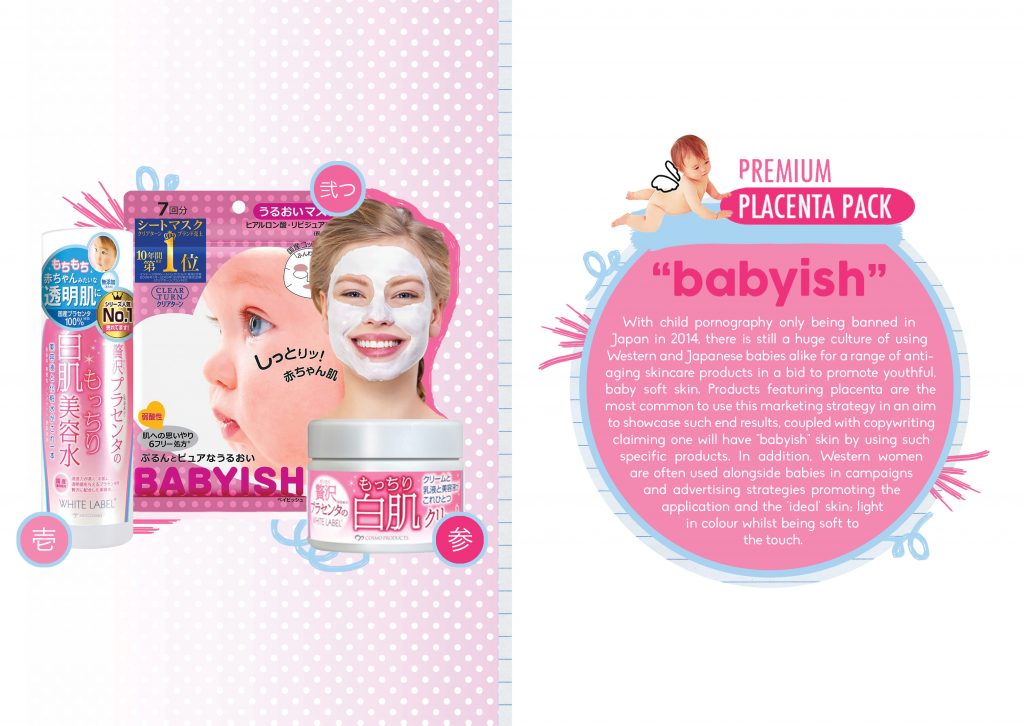
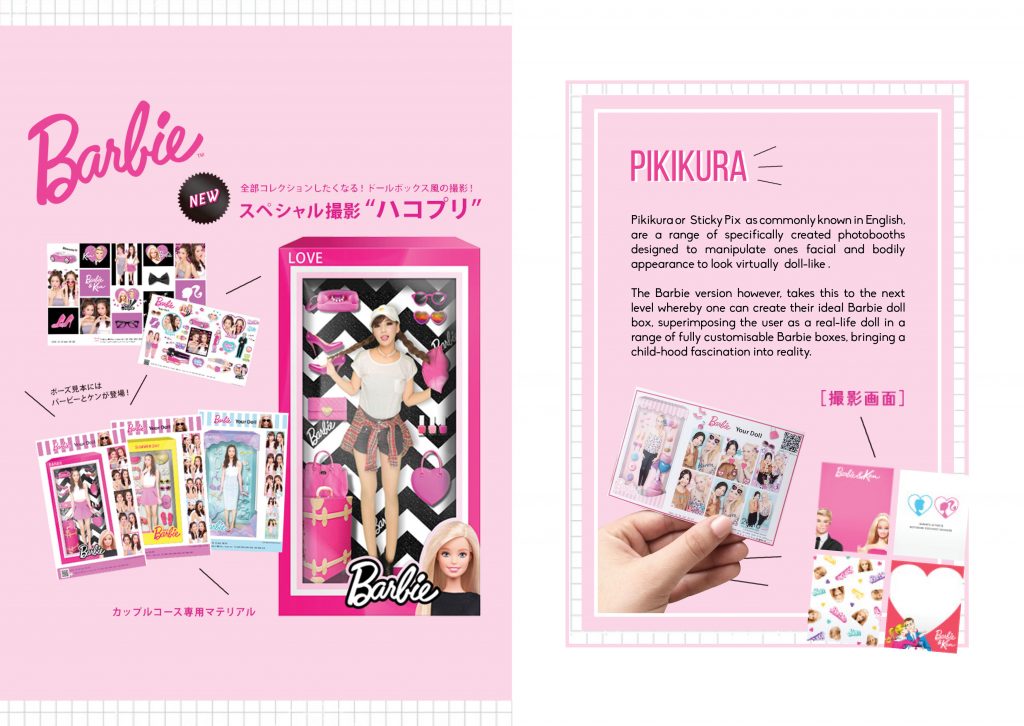
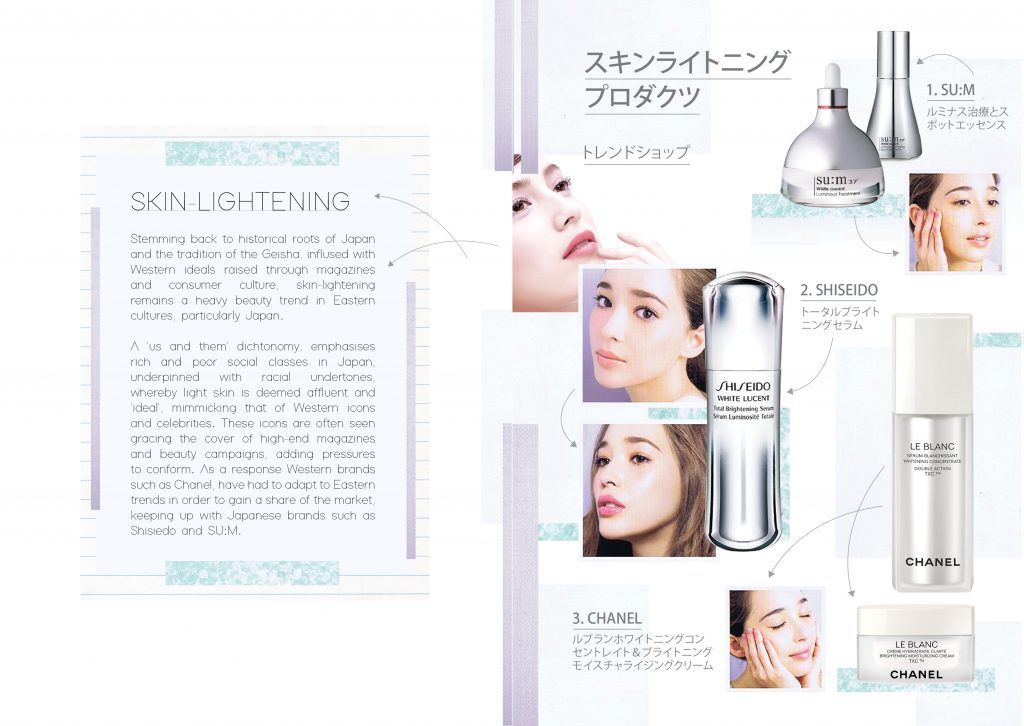
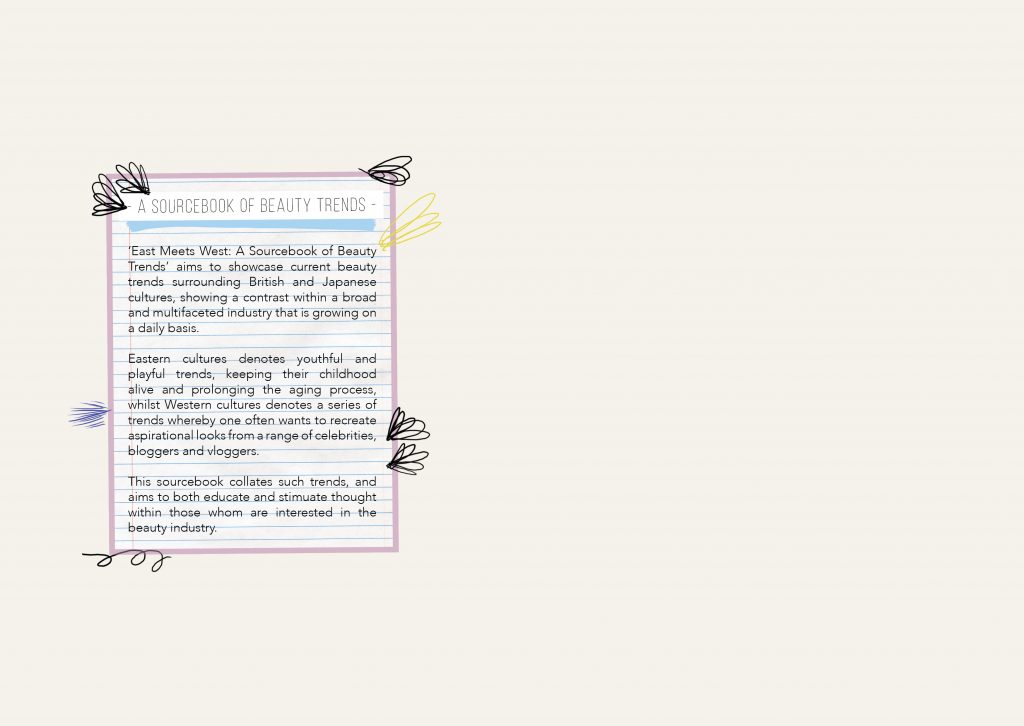
I have made such changes, and the final amended draft can be seen below.









Theory and Practice: Seminar Task

